



El Gouna vs Other Red Sea Destinations for Investment: What Smart Buyers Compare in 2026
Buyers exploring El Gouna investment property are rarely evaluating El Gouna in isolation. Most serious investors compare it with other Red Sea destinations before deciding where to allocate capital. That comparison is the right move — but it should be done using investment fundamentals, not only lifestyle appeal.
In 2026, the strongest buyers are not asking, “Which destination looks best?” They are asking:
• Which market is more structured?
• Which destination supports rental performance?
• Which one offers stronger resale liquidity?
• Which market better protects capital over time?
When compared on these factors, El Gouna often stands out as a more mature and strategically resilient coastal market.
The Wrong Way to Compare Red Sea Destinations
A common mistake is comparing destinations based only on:
• Beach aesthetics
• Resort visuals
• Launch marketing.
• Headline price per square meter
• Those factors matter, but they are incomplete.
For investment decisions, buyers should compare destinations across five more important dimensions:
• Market structure
• Infrastructure depth
• Rental demand consistency
• Resale liquidity
• Currency and pricing framework
• This is where the difference between a beautiful project and a durable market becomes clear.
1) Market Structure: Master-Planned Town vs Project-Led Destinations
One of El Gouna’s strongest advantages is that it functions as a master-planned town, not just a collection of isolated developments.
That means buyers are investing into an ecosystem with:
• Multiple neighbourhoods
• Marinas
• Hospitality infrastructure
• Golf communities
• Retail and lifestyle hubs
• Year-round residents
In contrast, some Red Sea destinations are still more project-led than town-led, meaning demand, liquidity, and long-term value may depend heavily on a smaller number of developments.
For investors, ecosystem depth reduces concentration risk.
2) Infrastructure Depth and Year-Round Usability
Strong investment markets are supported by more than seasonal tourism.
El Gouna benefits from:
• Established residential infrastructure.
• Active marina and hospitality zones
• Year-round demand drivers
• International community presence
• Lifestyle diversity (water sports, golf, dining, events)
This matters because year-round usability supports:
• Stronger occupancy consistency
• Broader buyer demand
• Better resale confidence
Some Red Sea destinations perform well for holiday ownership but may have less depth in year-round residential use, which can affect long-term investment behaviour.
3) Rental Demand: Destination Popularity vs Rental Alignment
Not all attractive destinations produce the same rental outcomes.
Rental performance depends on:
• District positioning
• Unit type
• Walkability and access
• Operational execution
• Demand diversity
In El Gouna, investors often evaluate rental-aligned properties using a target framework of approximately 7%–9% rental yield on invested USD (depending on unit type, occupancy, management quality, and costs).
This is one reason many investors compare El Gouna favourably to passive alternatives — especially when the asset is selected in the right district and operated well.
By contrast, in less mature destinations, investors may find:
• More seasonal demand concentration
• Weaker operational standards
• Less predictable occupancy performance
• Lower resale depth for certain asset types
• The destination matters — but the market maturity + district selection matter more.
4) Resale Liquidity: Can You Exit Well?
Many buyers focus on entry but underestimate exit.
A destination may offer attractive launch pricing, but if resale demand is thin, the investment can become difficult to unwind efficiently.
El Gouna’s long-standing buyer base — including domestic and international demand — generally supports stronger resale liquidity than newer, less-established destinations.
This is particularly true for:
• Well-positioned apartments
• Waterfront units
• Apartment-led formats aligned with buyer demand
• Premium villas in scarce districts
• For investors, liquidity is part of return quality.
5) Currency Positioning and Capital Protection
For many Egypt-based and international buyers, currency matters as much as rental yield.
El Gouna market pricing is commonly structured and regulated in USD terms, which is a major reason many investors view it as part of a capital-preservation strategy and a hedge against local currency devaluation.
When comparing Red Sea destinations, buyers should evaluate:
• Pricing currency framework
• Payment structure clarity
• Long-term value protection logic
A destination may appear cheaper in local currency, but that does not always mean it offers stronger capital preservation.
El Gouna’s Key Investment Advantage: Multiple Strategies in One Market
Another reason El Gouna often outperforms in investor comparisons is that it supports different investment strategies within the same ecosystem.
Rental-Focused Entry
Buyers can pursue apartment-led or loft-style models in districts aligned with demand and ownership practicality.
This is where Kamaran is highly relevant — an apartment-led area suited to buyers prioritizing easier entry pricing, practical ownership, and second-home flexibility.
Growth + Use-Value Strategy
Buyers can target districts that combine lifestyle and investment logic.
This is where Tuban stands out for many 2026 buyers:
• Central connectivity
• Waterfront integration
• Contemporary layouts
• Strong rental and resale appeal
• Capital Preservation Strategy
Buyers can also allocate toward luxury villas, beachfront, or golf-front assets where scarcity and premium positioning support long-term value.
Few Red Sea markets offer this level of strategic diversity within one integrated town.
Where Other Red Sea Destinations May Still Appeal
To be clear, El Gouna is not the only strong option.
Other Red Sea destinations may appeal to buyers who prioritize:
• Lower entry price
• Newer launch phases
• Highly specific lifestyle preferences
• Short-term speculative upside
However, buyers should distinguish between:
• Low entry cost, and
• High-quality investment positioning
• These are not the same.
A lower entry price can be attractive — but if the market lacks liquidity, operational depth, or long-term demand, total investment quality may still be weaker.
What Smart Investors Compare Before Deciding
Before choosing El Gouna or another Red Sea destination, serious buyers should compare:
• 1. Market Maturity
• Is this a functioning town or mostly a development story?
• 2. Rental Depth
• Can the property realistically perform across multiple demand seasons?
• 3. Resale Liquidity
• Will there be a broad buyer pool in 3–5 years?
• 4. Currency Framework
• Does pricing support capital preservation logic?
• 5. District-Level Opportunities
• Are there specific areas with strong timing and positioning?
This comparison framework usually leads to better decisions than simply comparing beach views or brochure design.
Frequently Asked Questions
Is El Gouna a better investment than other Red Sea destinations?
• For many buyers, El Gouna stands out due to master planning, infrastructure depth, stronger liquidity, and USD-referenced pricing. The best choice still depends on strategy and entry timing.
Why do investors compare El Gouna to other coastal markets?
• Because coastal real estate decisions are capital allocation decisions. Buyers want to compare yield, appreciation, liquidity, and risk across destinations.
Does El Gouna offer better rental yield?
• Yield depends on asset type, district, and execution. In rental-aligned properties, investors often evaluate opportunities using a 7%–9% target yield range on invested USD, depending on multiple factors.
What makes El Gouna more resilient?
• Its integrated town structure, established demand, and diversified buyer base tend to support stronger long-term performance than less mature project-led destinations.
Final Thought: How to Compare the Right Way
El Gouna should not be chosen because it is popular. It should be chosen if it fits your investment strategy better than the alternatives.
For many buyers, which fit comes from El Gouna’s combination of:
• Market maturity
• District diversity
• USD-based pricing logic
• Rental demand depth
• Resale liquidity
If your goal is structured coastal exposure rather than speculative tourism-driven buying, El Gouna often deserves to be evaluated first.

NUBA El Gouna
Discover NUBA El Gouna, a distinctive collection of fully serviced apartments.Y..
Continue Reading

Tuban El Gouna
Tuban El Gouna introduces a new era of island living at the heart of this vibrant...
Continue Reading
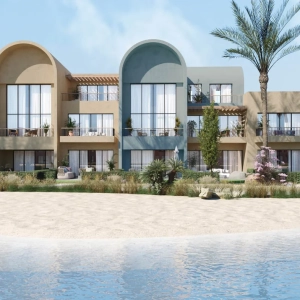
Kamaran El Gouna
Discover a tranquil escape at Kamaran El Gouna, a thoughtfully designed ...
Continue Reading